It is not just culture; it is a singular route through the events of the 20th century that has made the American transportation system distinct in the world.
Categories
There is no “car culture”

 Bike Battles
It is not just culture; it is a singular route through the events of the 20th century that has made the American transportation system distinct in the world.

Right now the rail-trail movement is the most successful way to build trails for bikers and walkers. But it’s certainly not the first; many other plans for trail building have come and gone.
I love National Bike Month. It’s spring, and all is right in the world. But is there more to it than just a good time?

The words that we use to talk about bicycles change over time, but so slowly that we might not even notice. You have to step back and look at a bigger chunk of time to see it.

What can recently-uploaded historical newsreels tell us about bicycle history? UPDATED!

On the pilot episode of Mad Men, Don Draper solicited an expert psychological report on the motivations of smokers in the 1960s. What would such a report have looked like for bicycles?
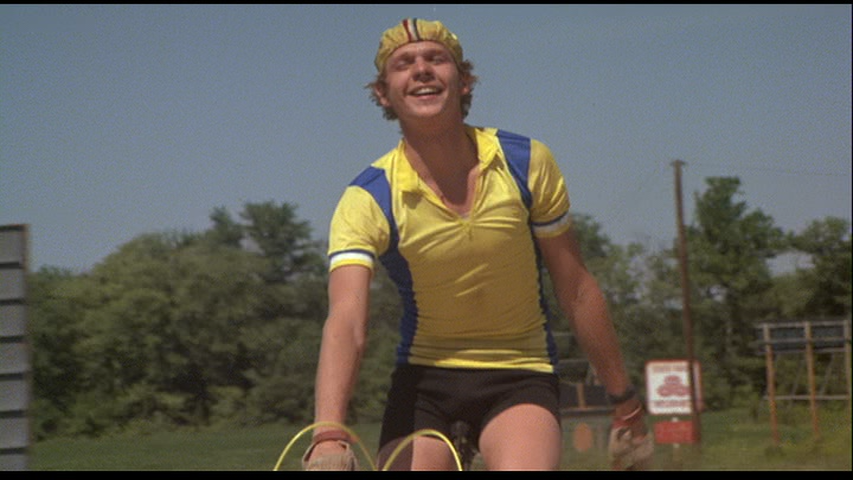
For American cyclists — starved for cultural validation — the 1979 film was a delight, and continues to evoke fond memories for recreational riders today. But what can Breaking Away tell us about the history of American cycling?

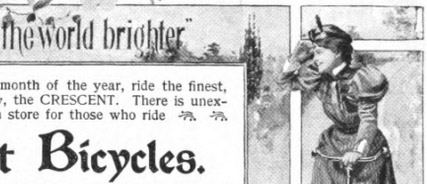
In the bicycle boom of the 1890s, the practical question arose when a cyclist loaded their ride onto a railroad car or ferry. Did it count as personal luggage included in the price of the ticket, or could the railroad charge more?

In 1985, Wolf Ruck, a Toronto-based author and filmmaker, produced the 15-minute long mountain bike film Freewheelin’. It is both the most awesomely 80’s thing ever, and a marker of a major historical change in the way that people thought about bicycles. You should watch it.

Thanks to the fine bicycle touring maps produced by the Adventure Cycling Association, I’m sitting at my work table and dreaming of a series of book tours by bike.
